Poetics of Inquiry: How to Stay with Trouble
ACT Gallery, MIT, Cambridge
Artist: Ishraki Kazi, Anna Romanov
Curator: Chiarina Chen

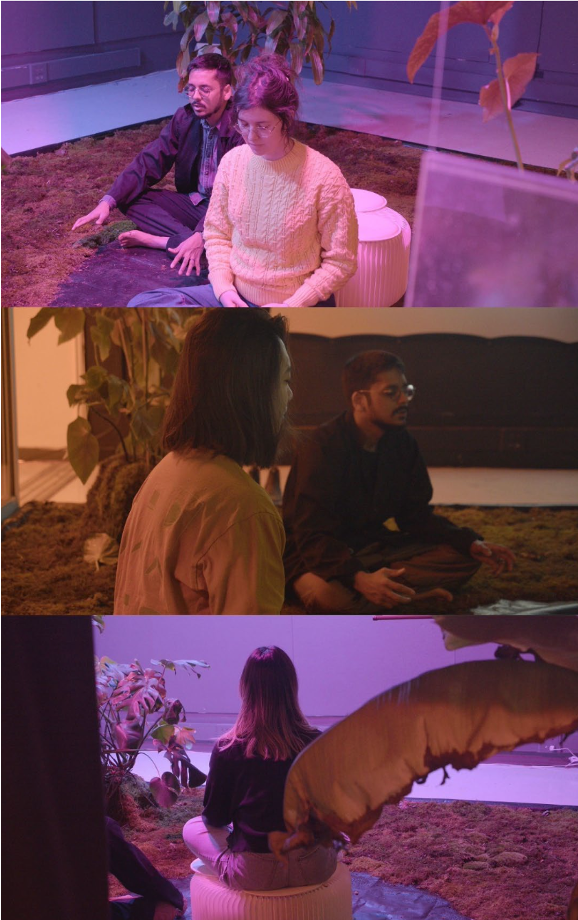
Poetics of Inquiry: How to Stay with Trouble is a behavioral-based solo exhibition by artist Ishraki Kazi. Activated by a series of durational performances, the show is set as a tentacular experiment on the inquiries of how our knowledge system may be limited and how we can relate with others. Audiences will be invited to sign up for one-on-one sessions to explore different ‘chapters’ with the artist, engaging with various scenarios that ignite dialogues and interactions with multi-others from human to animal and microbial entities. The show questions the reductionist approaches to science as well as binary divisions between mind and body, subject and object, self and other, and wishes to raise awareness of how we are fundamentally entangled with other beings, both human and non-human.
A note on the background
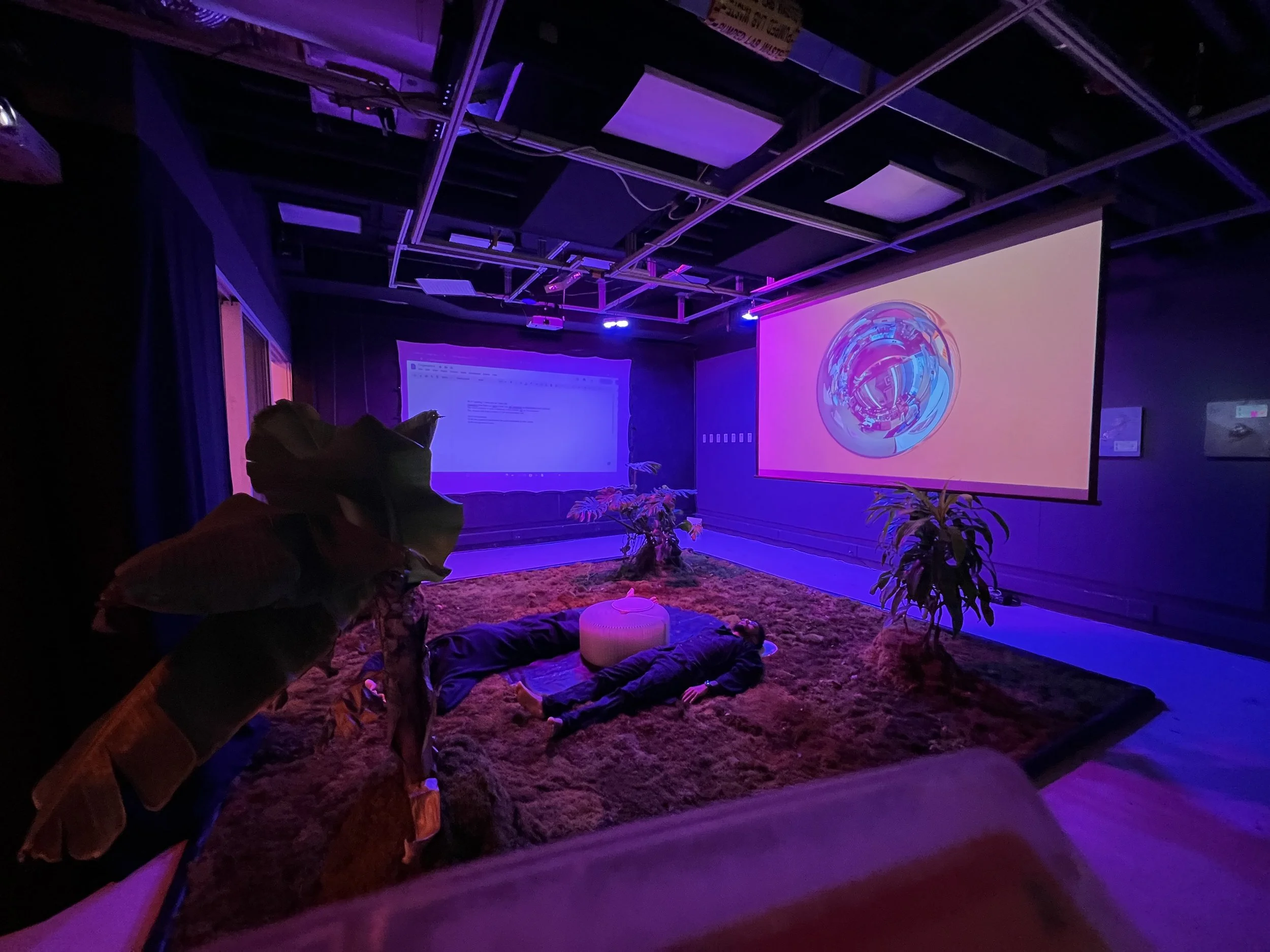
In late 2022 to early 2023, I had conversations with artist Ishraki on issues of the prevailing human-centric mentality and our shared anxiety about ecology, science, and labs. We had long conversations about how we are limited by language and existing knowledge systems. At one point, he shared with me a moment in the lab when he accidentally killed bacteria.
The moment triggered a series of inquiries, such as how we sense or communicate with something that's so out of reach on a nano level. Do they have agency? What does it mean to kill? Can we claim that microbial entities are not conscious because they don't possess consciousness like humans? Thus, this project aims to reveal the 'uncontrollable' side of reality and questions the reductionist approaches to science and the binary divisions between mind and body, subject and object, self and other. Instead of looking at bio-art on a pedestal, we want to trigger a deeper psychological engagement. Therefore, the centrality of the exhibition was Ishraki's durational performances that create a context in which unusual conversations can take place. These are conversations around philosophical topics that do not necessarily have a definitive or correct answer that has been established in art, science, and literature. Questions such as what does it mean for one to be conscious? How can one determine the consciousness of another? Who has the agency to make choices? What are the responsibilities of humans in engaging non-humans in research, art, and science? What is the role of subjectivity in science and so on.
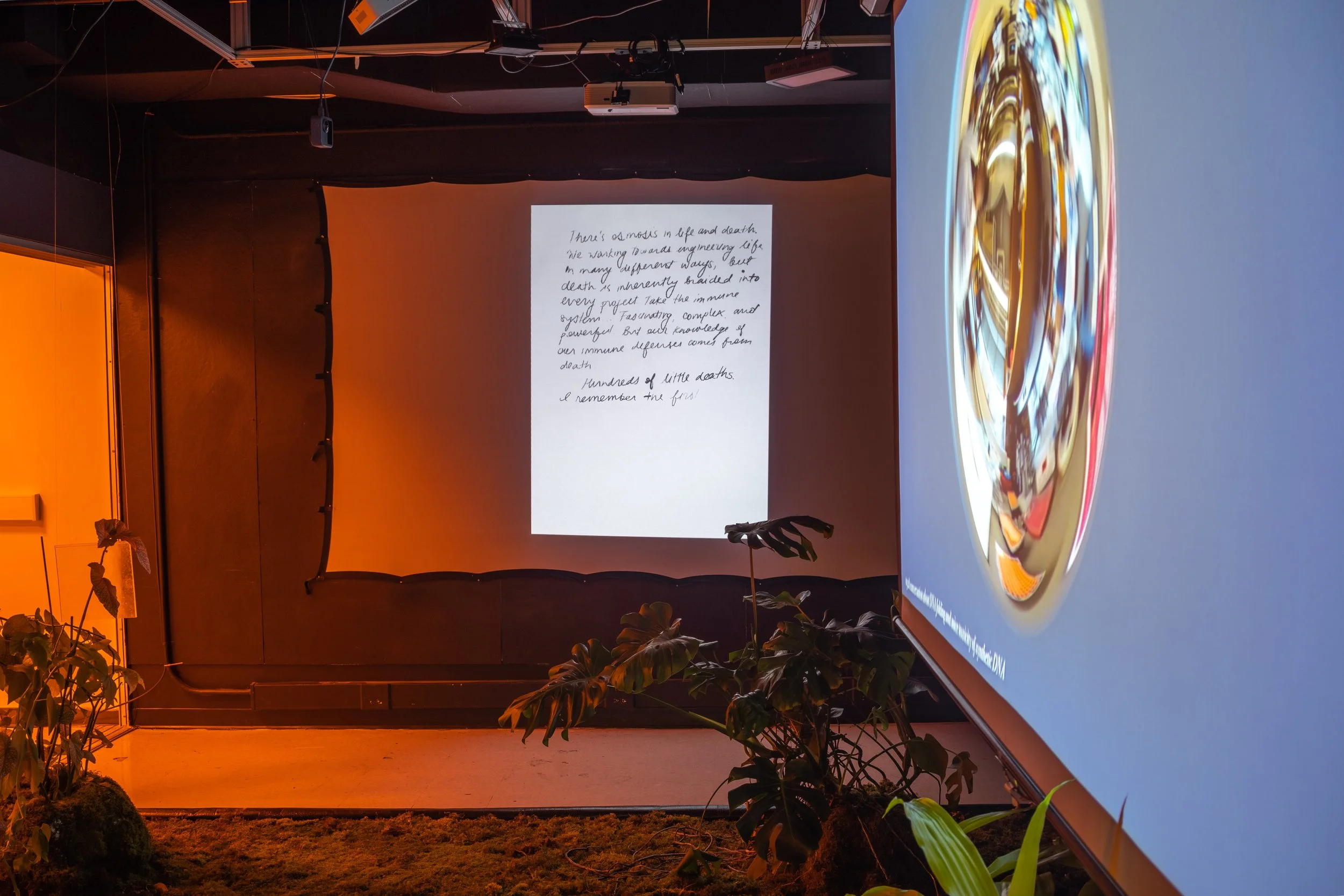
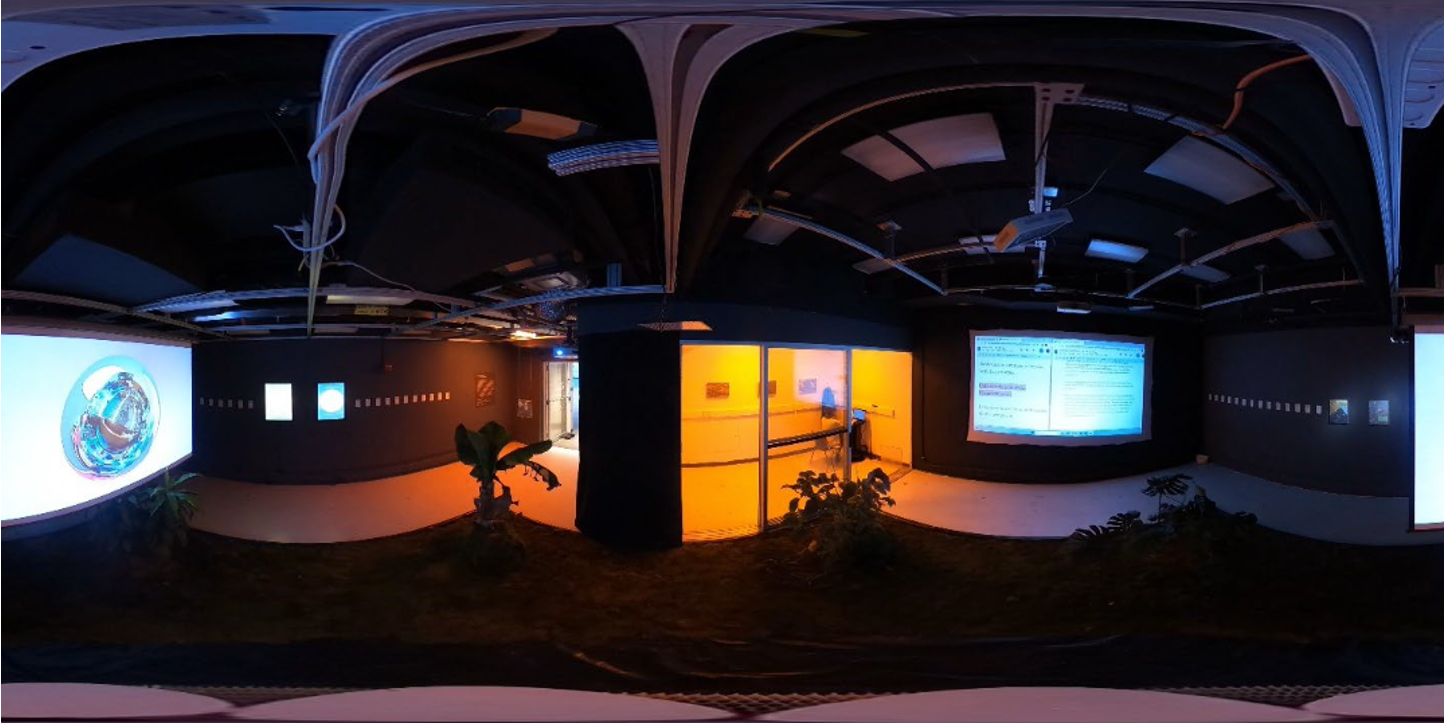
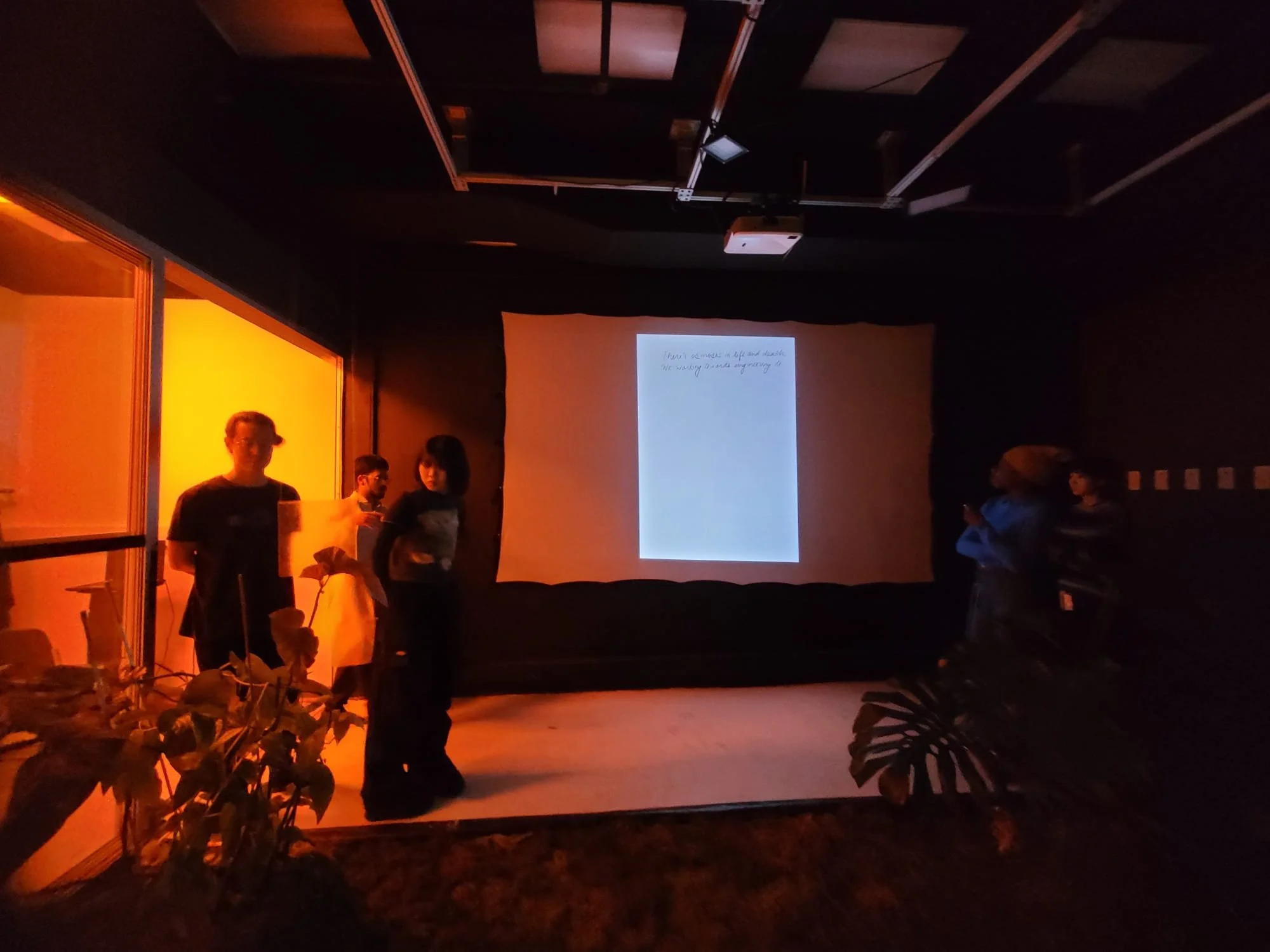
The exhibition contained 3 wall based works, 2 projections, and one ground installation. Together they set the stage for the one on one performance experiments that took place during the duration of the exhibition.
Through immersive and meditative threads, we aim to engage, not escape, the trouble and challenging issues of our time while re-imagining the act of kin-making embedded with empathy and care.
Participants were recruited through a poster blast across campus that announced the exhibition and shared a QR code for the one-on-one performances. They will be required to sign a consent form, a sign-up calendar, and a brief description of what one might experience by participating in the experimental performance. The online consent form explained in simple terms that there are depictions of dead organisms (mice and bacteria) within the exhibition, topics of death are explored within the exhibition, that the participant’s interaction may be recorded for the purpose of project documentation, and that some of the guided experiences may cause discomfort based on the content and subject matter explored in the guided meditations. At the end of the consent form there was a questionnaire that asked the individuals to self-identify using 3 to 4 words, choose a chapter from 4 chapters relating to the exhibit, and share any comments, concerns, or questions.