No Footsteps Return
.
No Footsteps Return .
Curated by Chiarina Chen
Itziar Barrio
Enrique Garcia
Kosuke Kawahara
Phoebus Osborne
Tiina Pyykkinen
Frank Wang Yefeng
Connor Sen Warnick
Echo Youyi Yan July
Rainrain Gallery, New York
11–August 16, 2025
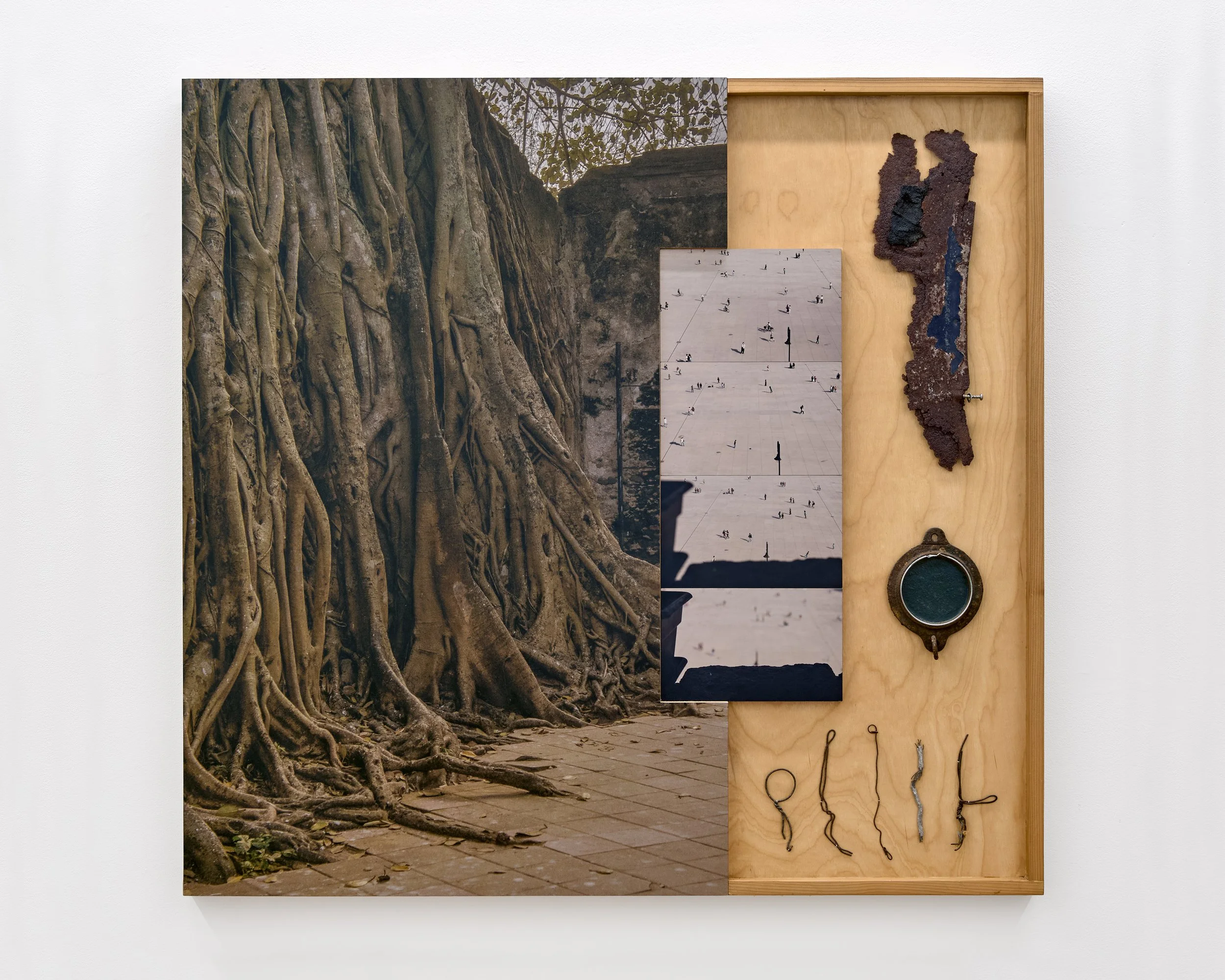
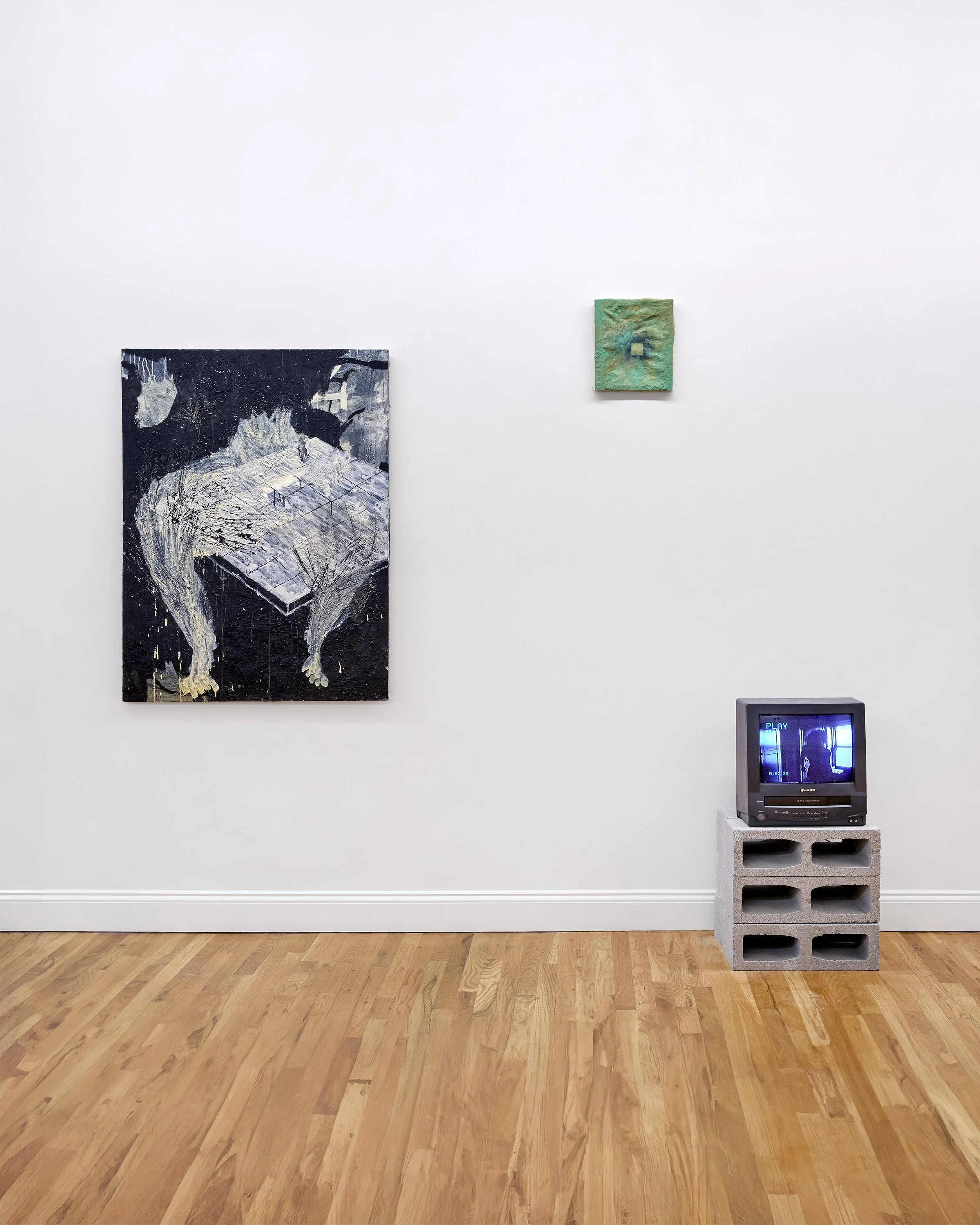
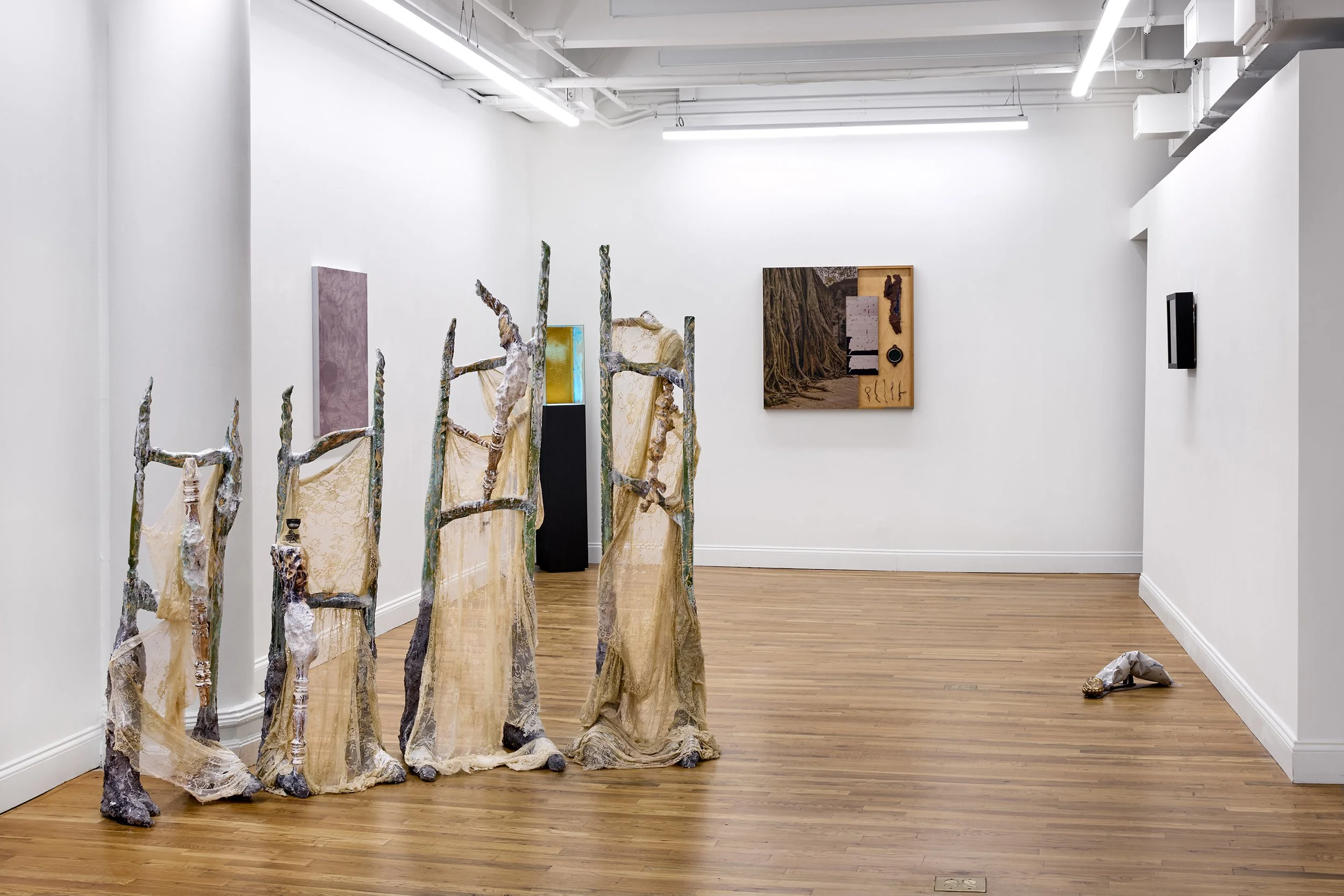
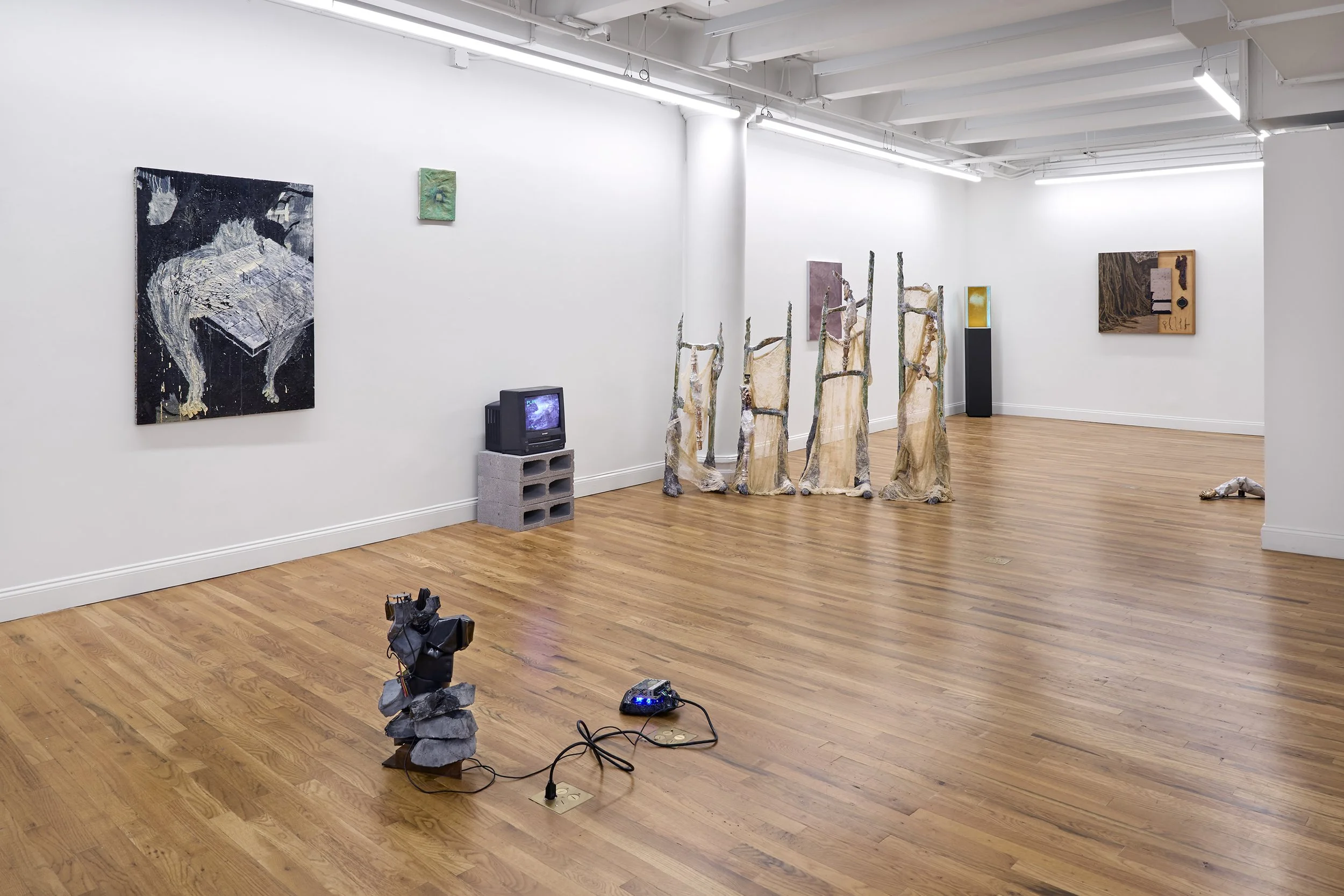
No Footsteps Return is a group exhibition that explores the aesthetics of what I call ‘Slow Horror’. It is the first show of this ongoing series.
Curatorial Text
by Chiarina Chen
They say horror is a form of fear. True, but it is also more than fear. Fear tells us to run. Horror makes us pause. It compels us to stare, to question what we thought we knew. If fear is immediate and alarming, horror can be slow, existential.
We are no strangers to alarms today. Our minds are saturated with algorithmic feeds, breaking news, and relentless social churn. Horrors unfold daily like spectacles, but something still feels off. The images are too sharp. The timelines too fast. Monsters appear only as distant others —grotesque, consumable, quickly replaced. No Footsteps Return begins by shifting this tempo, turning away from immediate spectacle and toward a quiet, immanent tone. It explores the aesthetics of what I call ‘slow horror.’
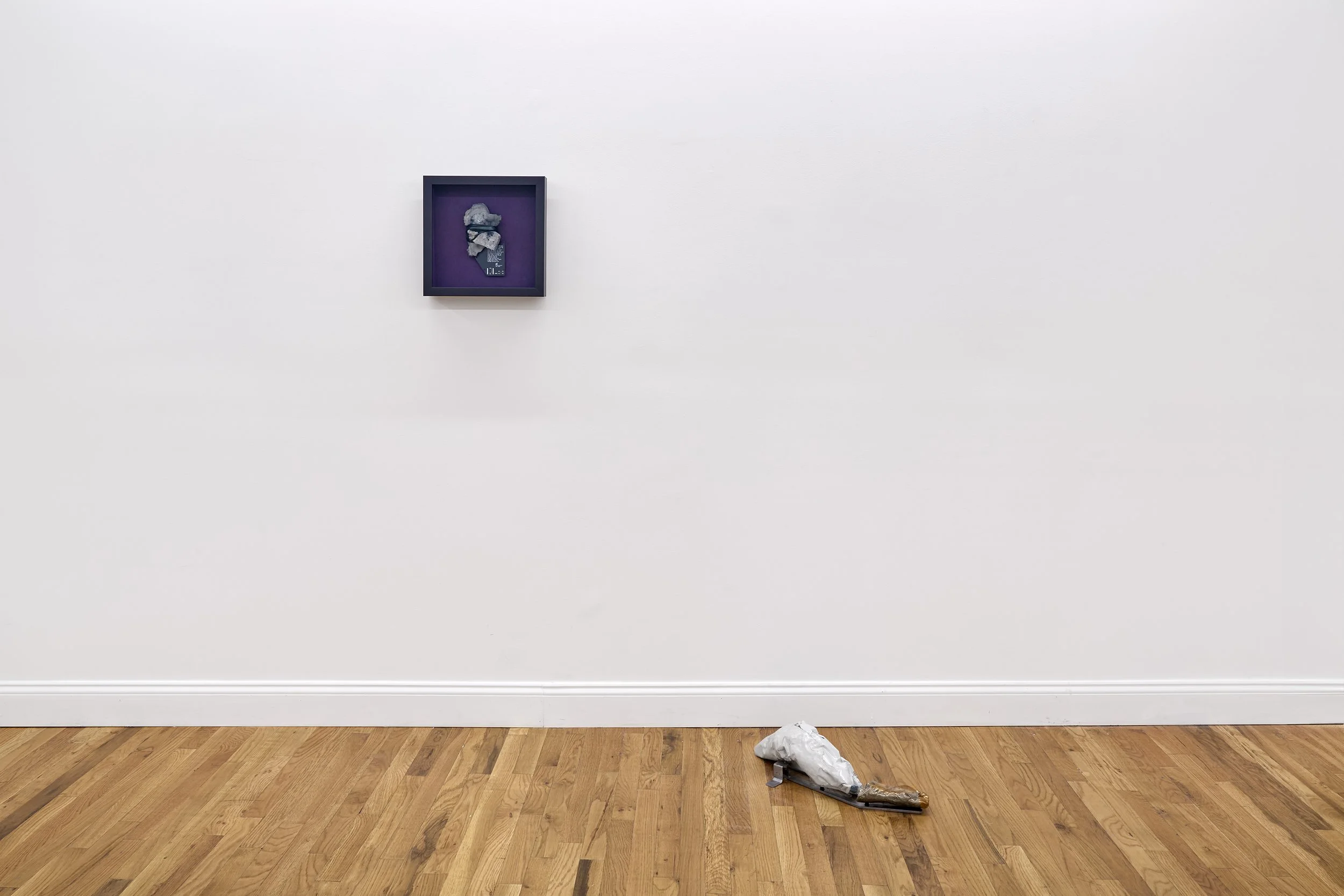
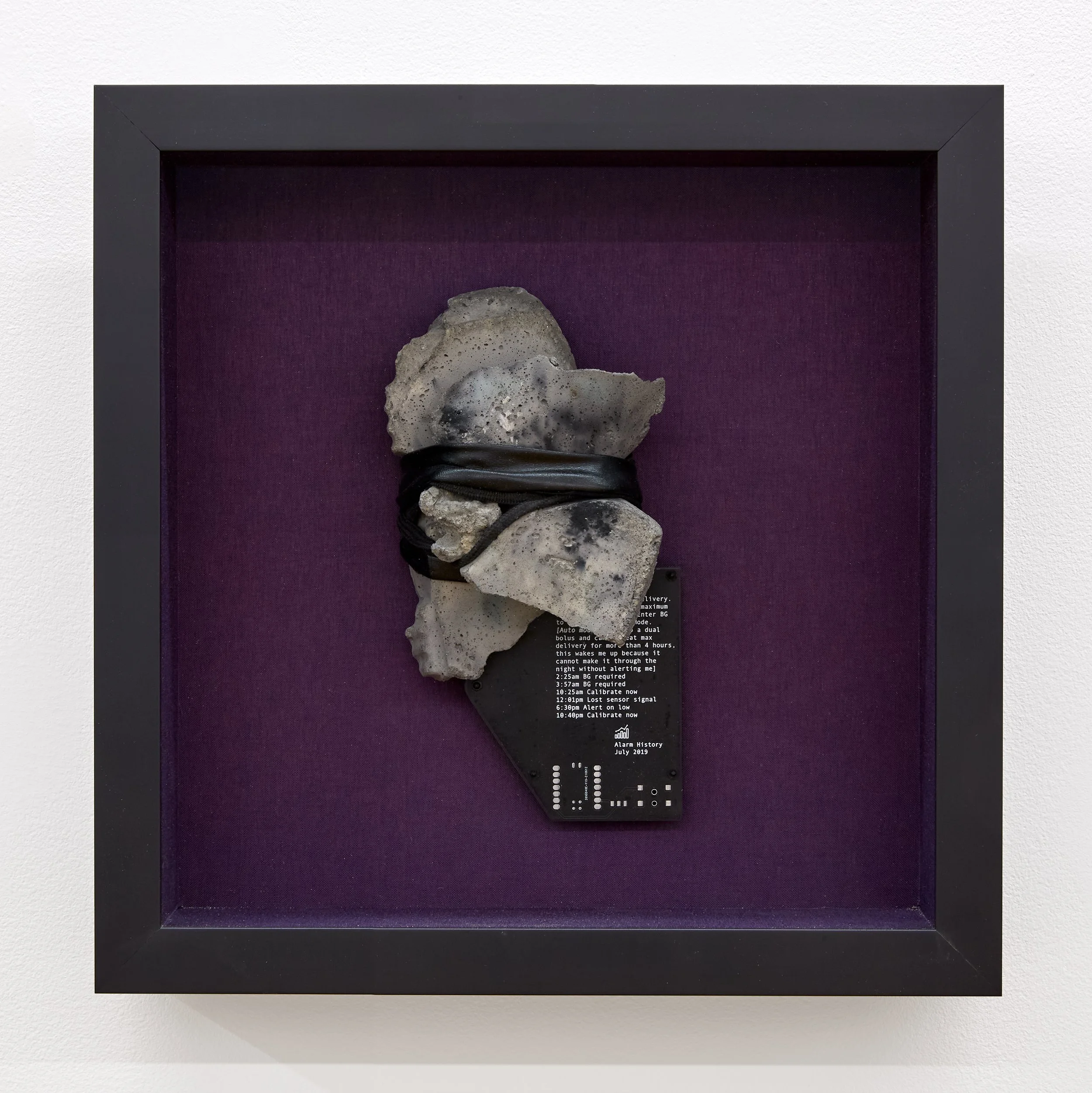
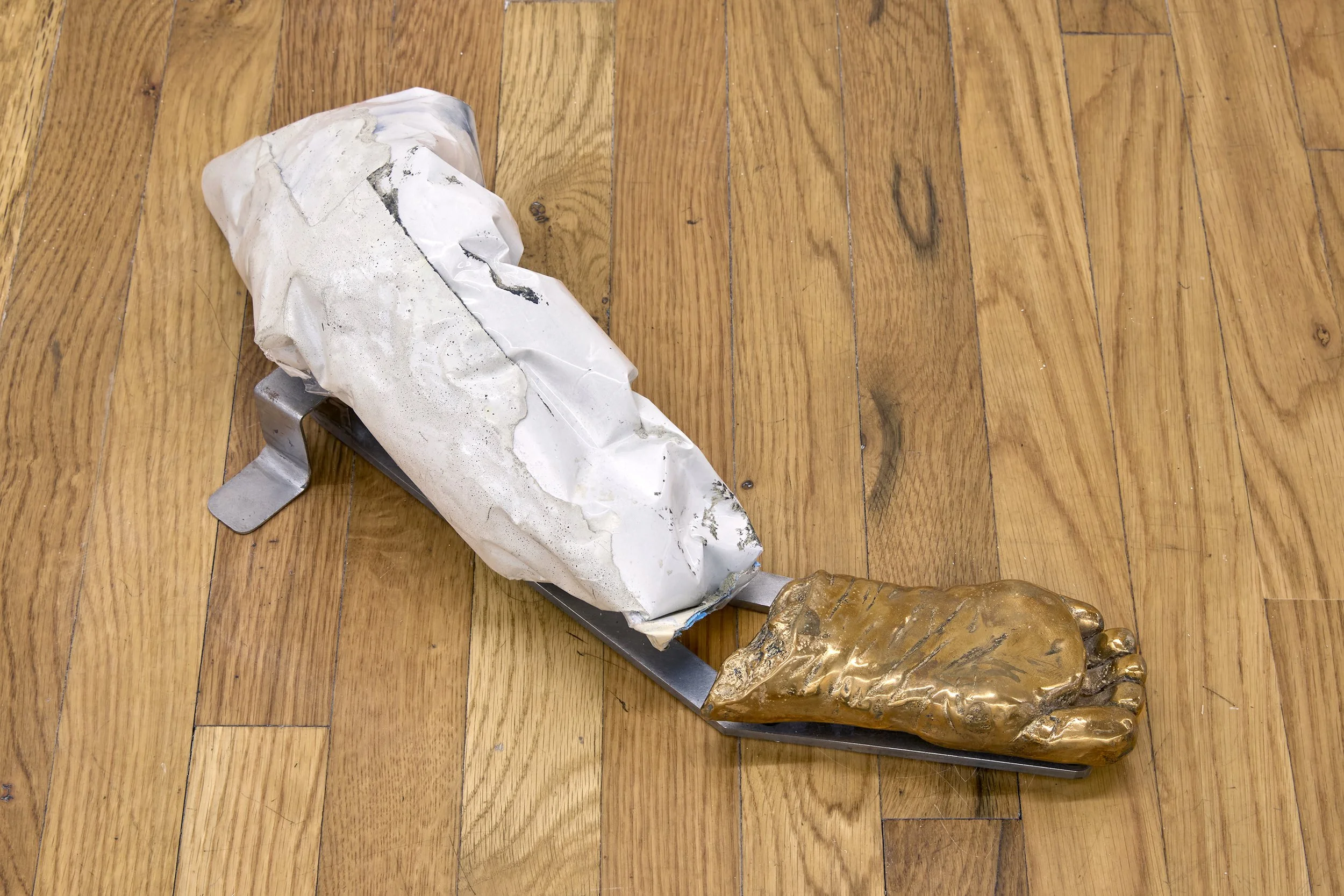
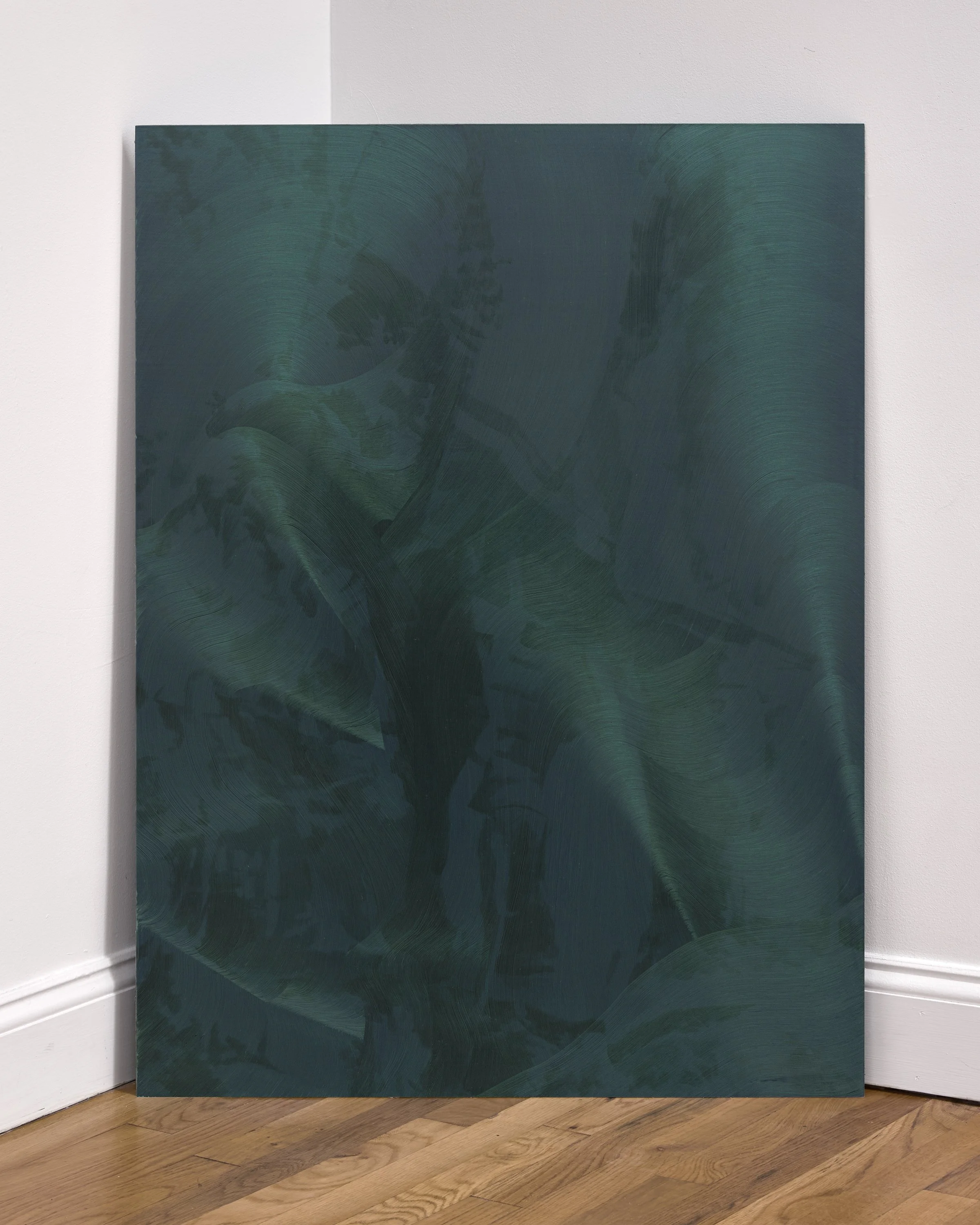
There is no shock. No alien intrusion. Varied in mediums, works in the show disorient the viewers and invite them into a space where perception gets loose, where certainty slips. Each piece holds a small ecology of change: forms warping under pressure, bodies distorting, consciousness fading. Together they reveal a kind of horror that seeps gradually, through the textures of lived material experience. One that does not arrive from the outside, not elsewhere, but everywhere and here.
At its core, the show is driven by a desire to explore how horror might reside in the hidden and intimate shifts that shape our world, our bodies, and our sense of self. We ask: how do we stay with what is unresolved? How do we live with states that are in ongoing metamorphosis? Could slow horror be a new aesthetic form that guides our senses to things in the peripheral, the imperceptible? Could it be a method of survival in a world filled with division and spectacle?
That said, you won’t hear screams when no footsteps return, only the quiet awe of realizing we are always in transition, already other to ourselves.
further curatorial notes
on Slow Horror
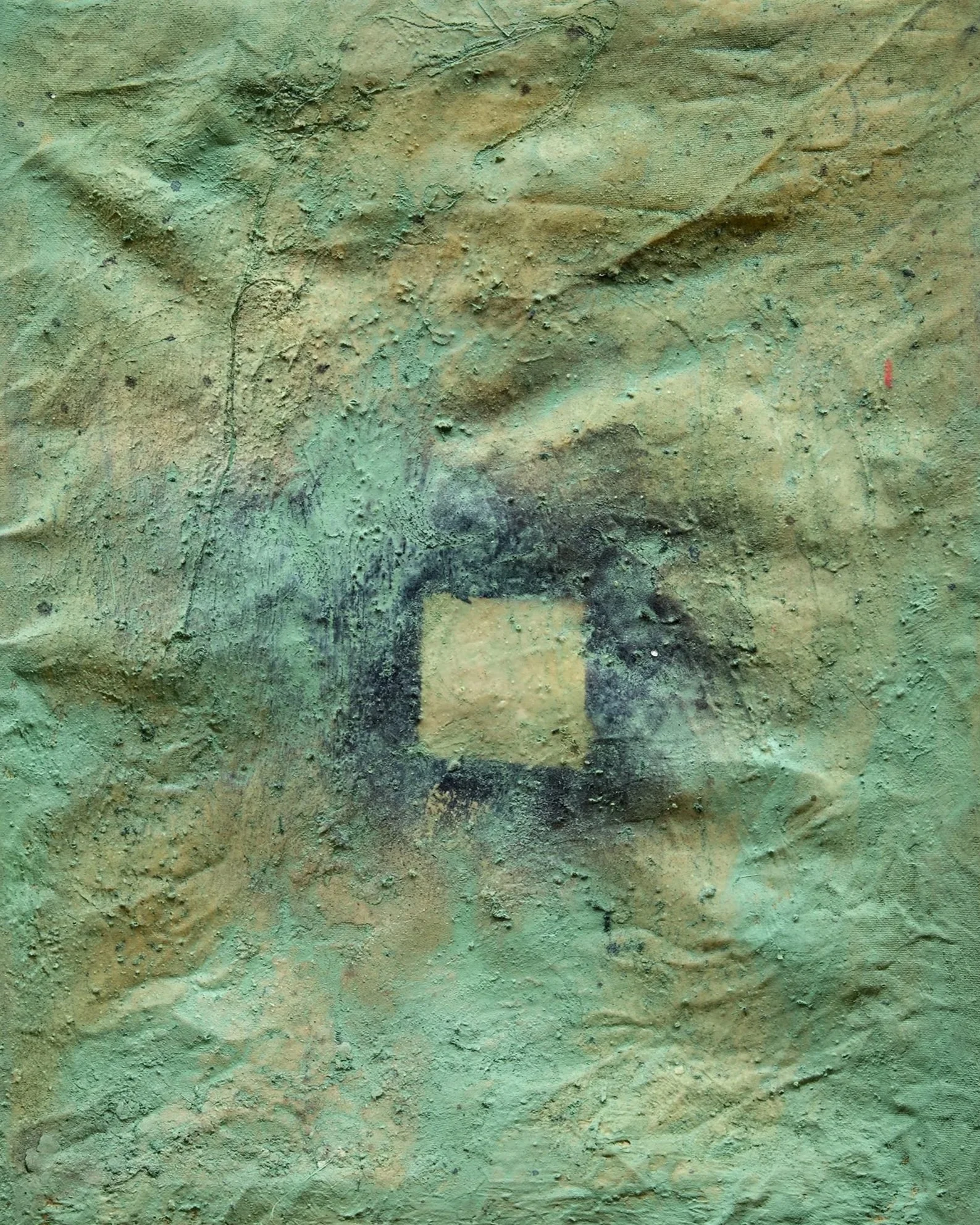
The idea of “material/slow horror” is a horror that is not an abrupt jump-scare or a spectral invasion, but rather a horror that emerges gradually, immanently, and within the textures of lived material experience. It is horror as becoming rather than horror as a one-off event. This concept is continuous with life processes and treats transformation itself as the locus of the eerie or unsettling. Importantly, material/slow horror is not about pure fear or revulsion in the face of an alien enemy; it is about the slow awe-filled recognition that we are always in transition, always already other to ourselves, and that this continuous metamorphosis carries a haunting quality.
Contemporary posthumanist thinkers reconceptualize the monster not as an alien invader or external aberration, but as an immanent and transformative force intimately tied to our material being. Rosi Braidotti, Donna Haraway, N. Katherine Hayles, Karen Barad, and Deleuze & Guattari each, in their own way, treat monstrosity as a catalyst for nomadic subjectivity and a “zone of becoming” rather than a mere object of fear. In this view, the monstrous marks a threshold within the self – a site where identities blur and new hybrid forms of life emerge. Crucially, this is a positive, generative conception: the monster is a figure of becoming-other and a reconnection to alterity (otherness), rather than a freakish outsider.
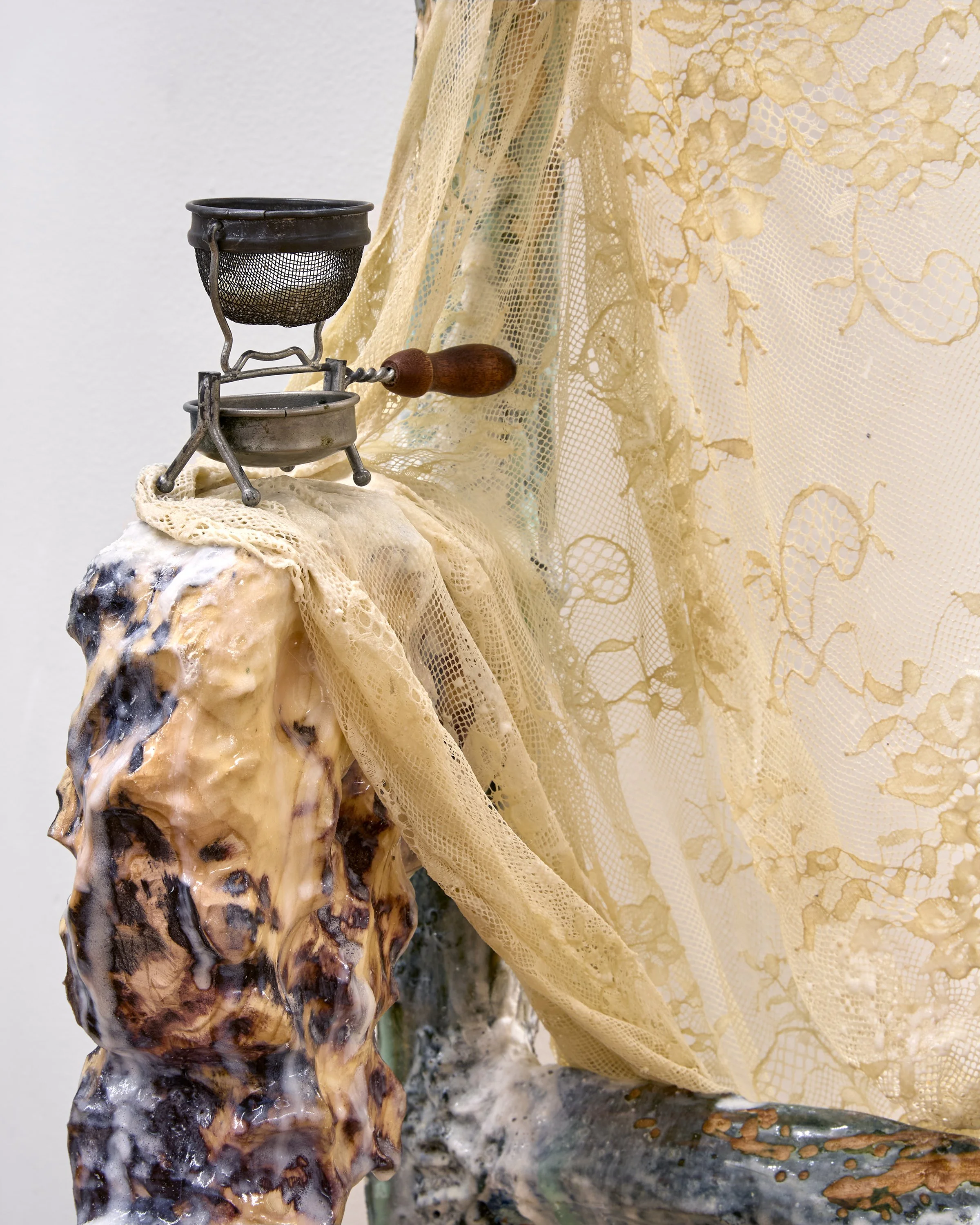
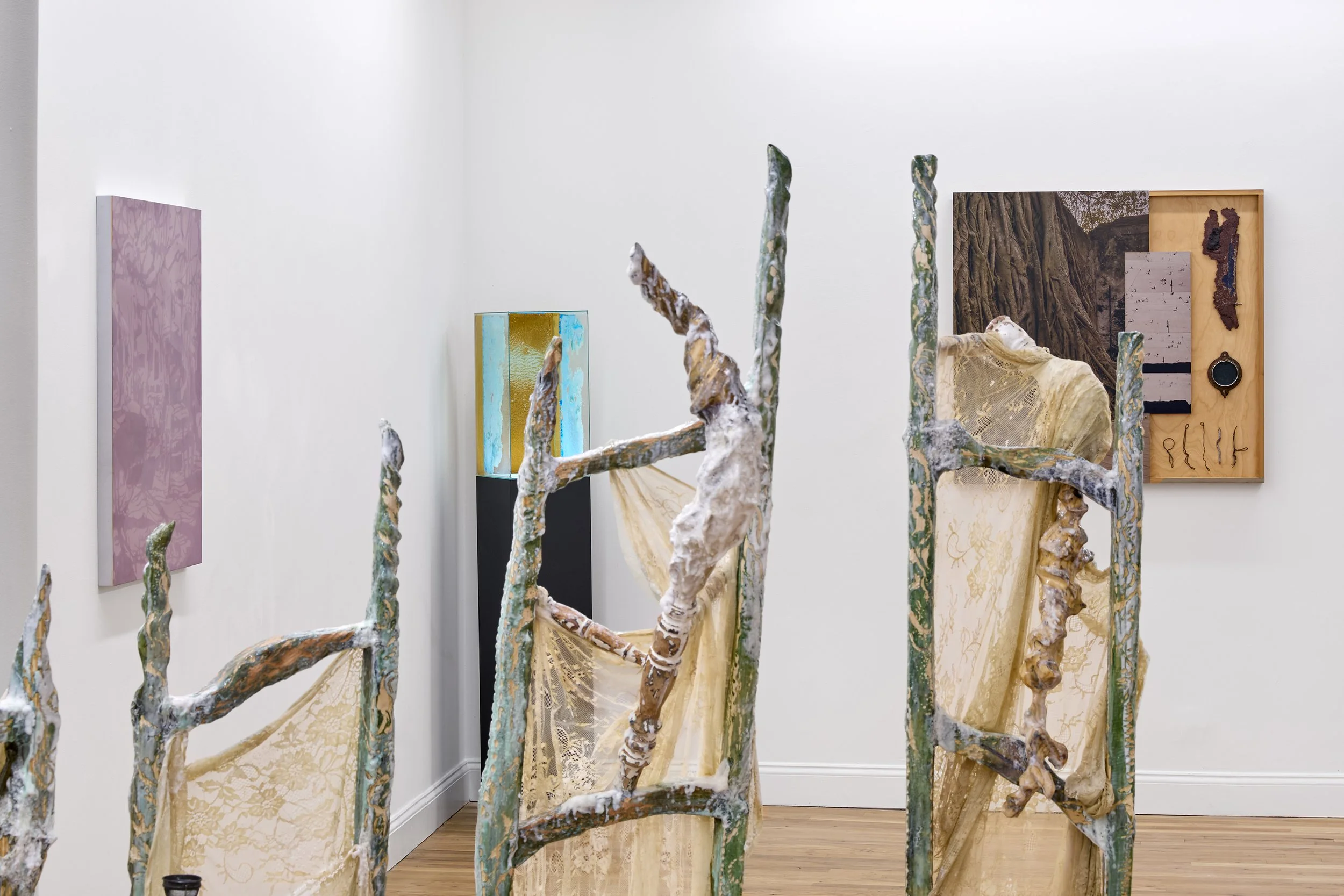
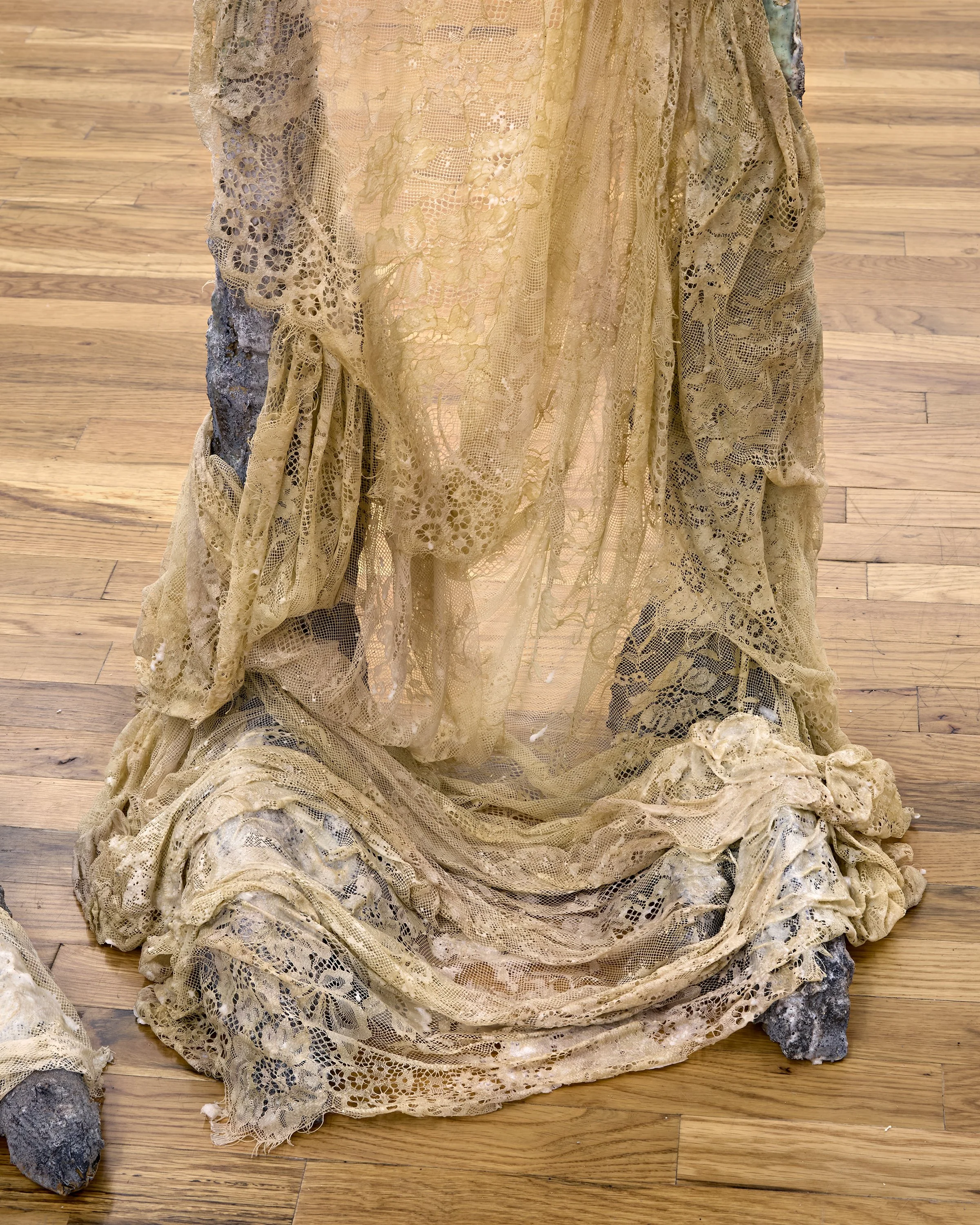
In a sense, material/slow horror is the horror of becoming itself. It is the visceral, affective register that accompanies profound change. While posthumanists often highlight the affirmative side of becoming (new possibilities, freedom from old norms), material/slow horror reminds us that every becoming also has a disconcerting side – a sense of loss, uncertainty, or dread as the old self or world slips away. It insists that we not romanticize monstrosity to the point of forgetting the real affective weight that comes with transformation.